
Learn How To Care For Others Without Losing Yourself In The Process
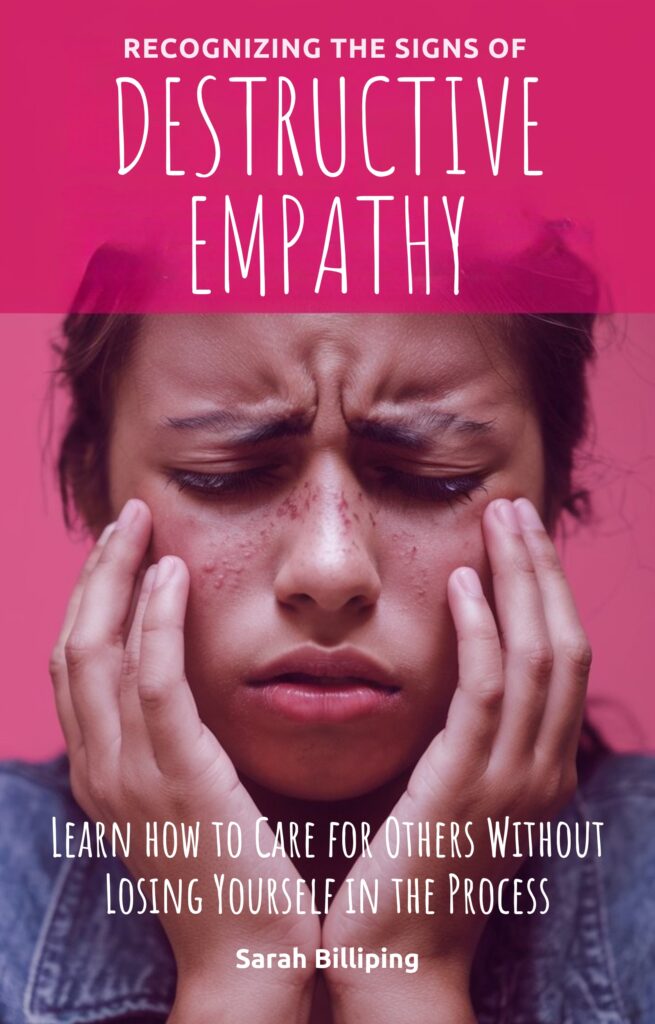

"Recognizing the Signs of Destructive Empathy" is a guide designed to help you, as an empath, transform your overwhelming emotions into empowering tools for connection and self-preservation.
Also included are exercises and prompts to help you reflect on your experiences and develop healthier empathy practices, along with resources for further support, including recommended books, online communities, and therapists specializing in empath care.
Here’s what you can expect:
1. Set Healthy Emotional Boundaries
This guide teaches you how to recognize when your empathy begins to blur the lines between you and others. Through practical strategies, it emphasizes:
- Identifying Emotional Triggers: Understand situations or relationships that lead to emotional exhaustion or entanglement.
- Saying No with Confidence: Develop the ability to refuse requests or limit engagement without guilt.
- Communicating Boundaries Effectively: Gain tools to express your limits clearly and compassionately, ensuring others respect your needs.
2. Cultivate Emotional Resilience
As an empath, you often absorb the emotions of others, leading to stress and burnout. This book will provide methods to build your emotional strength, such as:
- Mindfulness and Grounding Techniques: Practices like meditation and journaling to distinguish between personal emotions and those absorbed from others.
- Energy Management: Learn how to regulate your energy levels through rest, exercise, and balanced lifestyles.
- Creative Outlets: Utilize art, writing, or hobbies as ways to process and release emotional burdens
3. Reclaim a Strong Sense of Self
Destructive empathy can erode personal identity. This guide helps you reconnect with your individuality by:
- Focusing on Self-Discovery: Reflect on personal values, passions, and beliefs that make up your unique identity.
- Spending Time Alone: Use solitude to recharge and strengthen your inner voice, ensuring your decisions align with your needs.
- Building Self-Confidence: Develop a positive inner dialogue and affirmations that reinforce your worth and autonomy.
4. Maintain Healthy Connections
It emphasizes building and keeping relationships that are mutually respectful and nurturing. Key approaches include:
- Encouraging Empowerment in Others: Support loved ones without taking on their burdens or hindering your growth.
- Avoiding Dependency Dynamics: Shift from enabling behaviors to building balanced, collaborative connections.
- Building Support Networks: Surround yourself with individuals who understand and respect your empathic nature.
5. Empathy as a Strength, Not a Burden
Ultimately, this guide reframes empathy as a gift rather than a liability. You'll learn to:
- Use Empathy Selectively: Engage empathically where it’s constructive and maintain emotional neutrality when necessary.
- Balance Compassion with Self-Care: Recognize that caring for yourself is essential to sustain your ability to help others.
- Thrive as an Empowered Empath: Harness the full potential of empathy to create meaningful, positive relationships while safeguarding your emotional health.
"Recognizing the Signs of Destructive Empathy" is a vital resource for you who struggles to balance your empathy with self-preservation.
By following the practical exercises and strategies outlined in this guide, you will gain the confidence to care for others without losing yourself in the process.
You’ll emerge with the tools to transform destructive empathy into a force that strengthens relationships, fosters personal growth, and empowers your unique gifts.